



Nothing leaves as landfill
Once a device has been assessed and found to have no remaining useful life, it is dismantled rather than discarded. Components are separated by material stream and moved through certified downstream processors under our R2v3-governed process.
Zero landfill is a claim that only means something if the downstream chain is vetted. Ours is — and we will show you the requirements our processors have to meet.
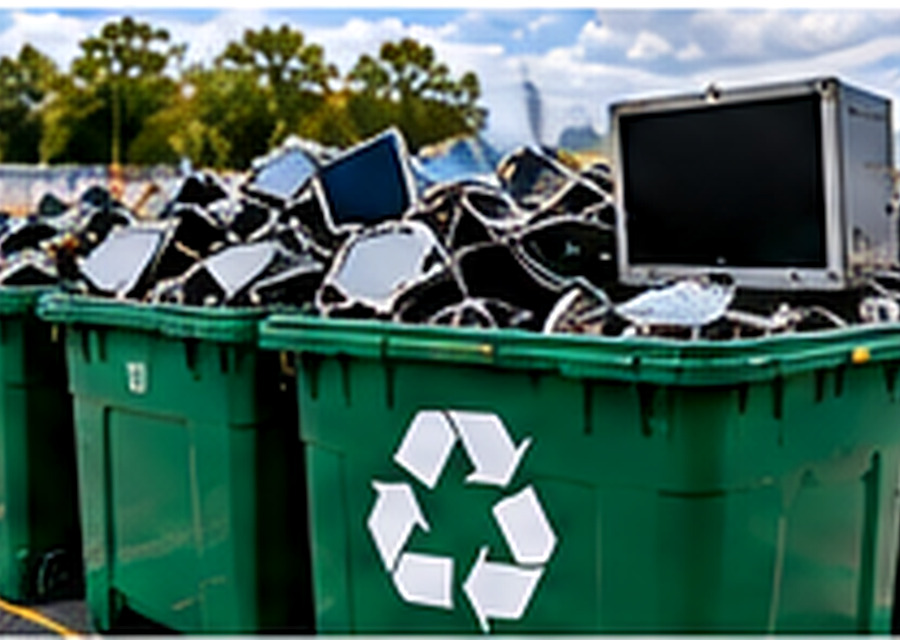
What we recover
 MetalsCopper, aluminium, steel and precious metals are separated and recycled through certified facilities.
 PlasticsPlastic housings and components are sorted by type and processed through certified recycling partners.
 GlassMonitor and display glass is separated and handled to the environmental standards that apply to it.
 Batteries and hazardous materialsLithium-ion, lead-acid, mercury-containing devices and CRT components are processed under controlled safety protocols.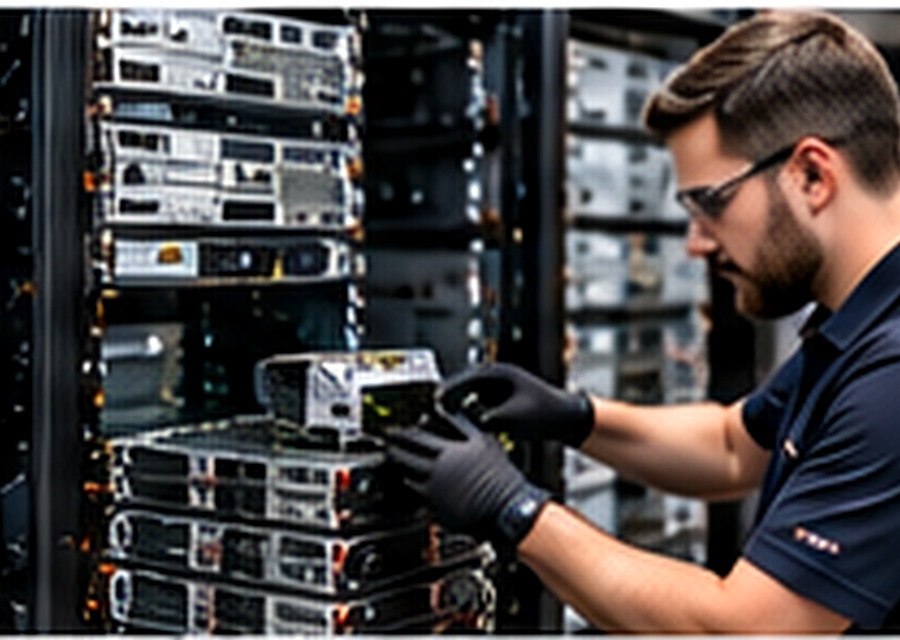
Reuse comes before recycling
Recycling a working laptop is a worse environmental outcome than redeploying it. Where a device passes functional testing and can be securely sanitized, it is refurbished for resale or donation instead.
That extends the useful life of the hardware, avoids the manufacturing footprint of a replacement, and often returns value against the cost of the project.
The recycling path, step by step
- 01
Intake and assessment
Devices are logged and assessed. Anything with remaining useful life is diverted to refurbishment.
- 02
Data-bearing components removed
Storage media is identified and destroyed or sanitized before dismantling continues.
- 03
Dismantling
Devices are broken down into component material streams by hand and by process, not shredded whole.
- 04
Separation
Metals, plastics, glass, boards and batteries are separated and stored under their respective handling requirements.
- 05
Downstream processing
Each stream is moved to a vetted processor that meets our environmental and safety requirements.
- 06
Certification
Recycling certificates and material reporting are issued back to the client.
Recycle equipment responsibly
Send us what you have. Anything reusable will be identified as such before anything is recycled.
 Scoped and quoted in one call
- Collection dates confirmed in writing
- Certificates issued as standard
 Call the office+1 540 737 4500
 Email the teaminfo@imaaninc.com
 Replies within one business day